
In 2025, the Climate Finance Capacity Support Programme (CFCSP) consolidated its role as a flexible, partner-driven mechanism supporting Pacific governments to progress their climate priorities. With a continued focus on the responsive and quick deployment of technical expertise and strengthening national systems, the programme built the foundations for sustained delivery in 2026.
Operating across 15 Pacific countries, the CFCSP at the request of partner governments provides targeted support to help governments plan, deliver and report on national climate actions and access climate finance.
Programme scale and reach
As of January 2026, 52 active capacity inputs were underway, 30 roles were under recruitment and 11 inputs completed, with inputs spanning climate finance readiness, adaptation and mitigation planning, infrastructure resilience, data and reporting systems, public financial management, and cross-government coordination.
Several partner governments highlighted the CFCSP’s ability to mobilise support quickly as a key strength, enabling them to respond to emerging priorities without lengthy redesign or approval processes.
Their (CFCSP) flexibility was greatly appreciated and created many opportunities for meaningful conversations… showing genuine respect and valuing every voice.
- Paula Faiva, Director, Ministry of Climate, Oceans and Resilience, Tokelau
The programme has a strong focus on embedding expertise within government systems to support ministries, central agencies and line departments to strengthen how climate priorities are planned, financed and implemented over time.
Strengthening systems, not just filling gaps
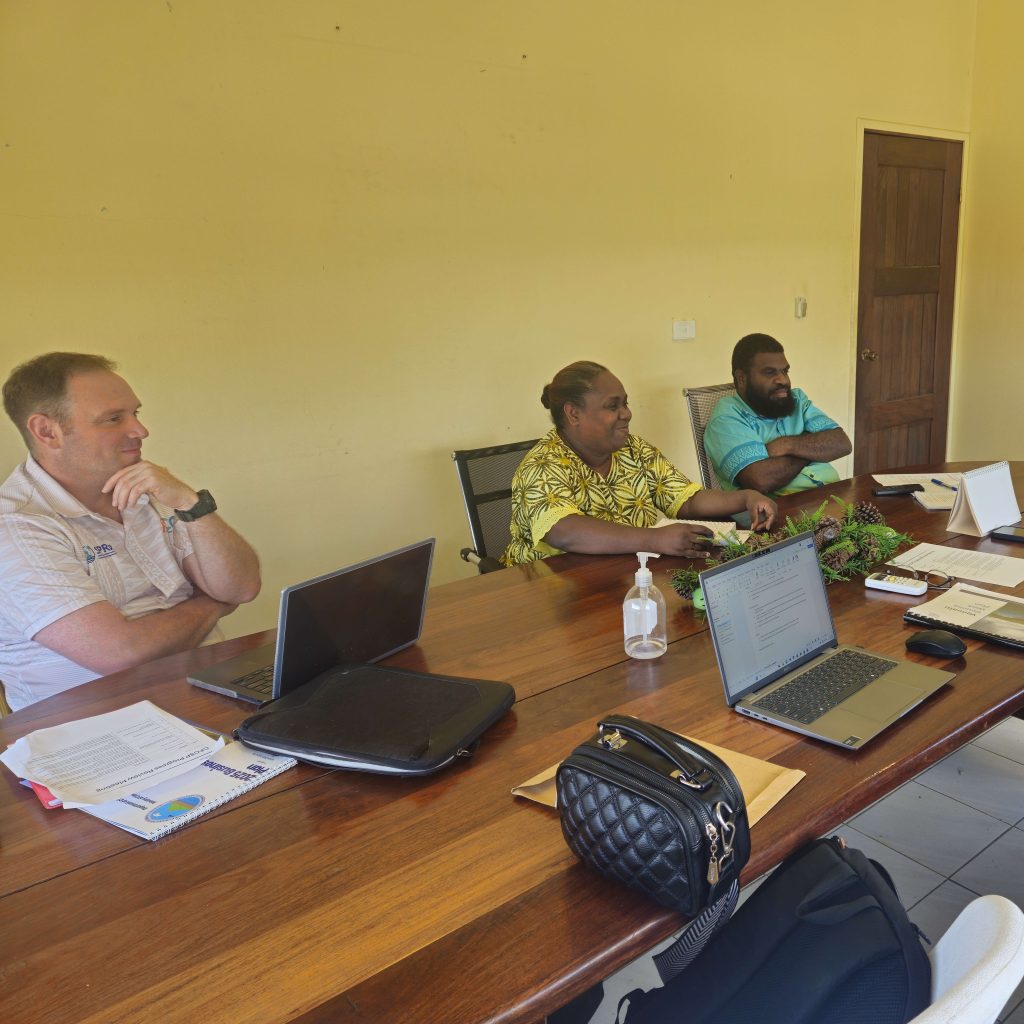
Embedded advisers and technical specialists worked alongside government counterparts to strengthen public financial management, climate data and emissions tracking systems, infrastructure resilience, policy coordination, and monitoring and evaluation frameworks. In Palau, a Data Analyst developed a national greenhouse gas emissions data management system, improving the quality and accessibility of climate data across government. In Samoa, a Climate Science Expert supported development of a national measuring, reporting and verification system, directly strengthening the Ministry’s ability to align national strategies with international commitments. In Tuvalu, Institutional Strengthening Support and a Program Finance Specialist reinforced fiduciary systems within the Climate Change Department. In the Solomon Islands, a Pacific-based Gender Specialist led development of a Gender Equality, Disability and Social Inclusion (GEDSI) Strategy to embed GEDSI into infrastructure and transport planning.
Turning strategies into bankable action
The CFCSP helped partner governments move from policy into implementation, including developing risk-informed, gender-responsive project proposals, preparing funding concept proposals for climate finance mechanisms and strengthening consultation processes that bring communities and ministries into project design.

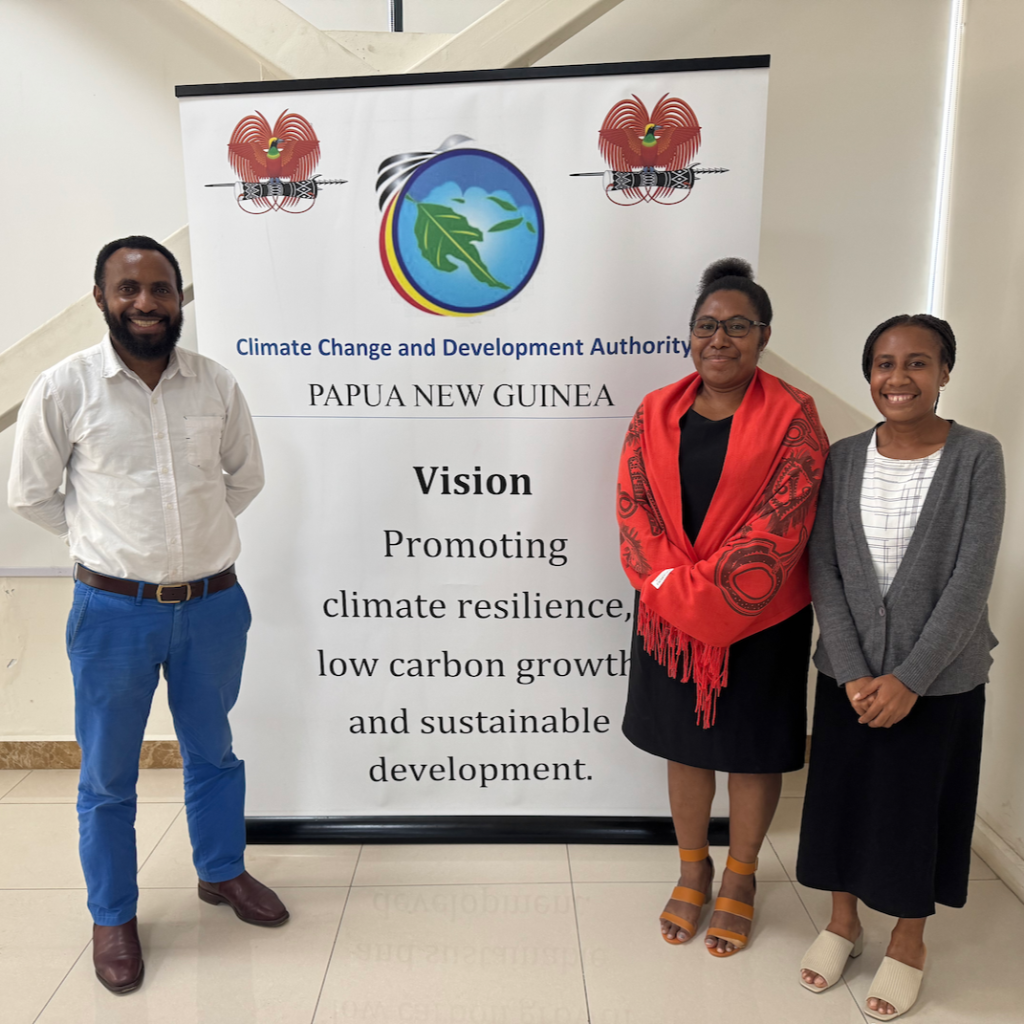
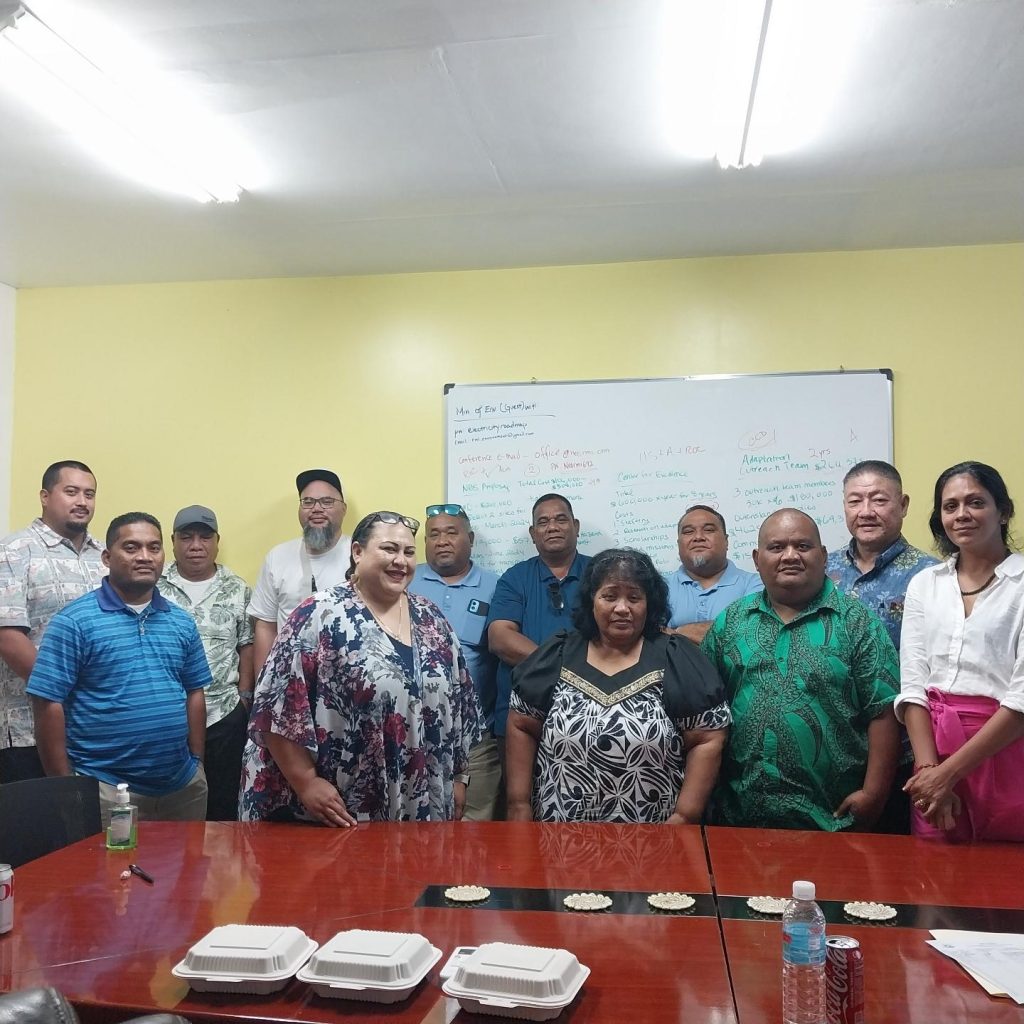
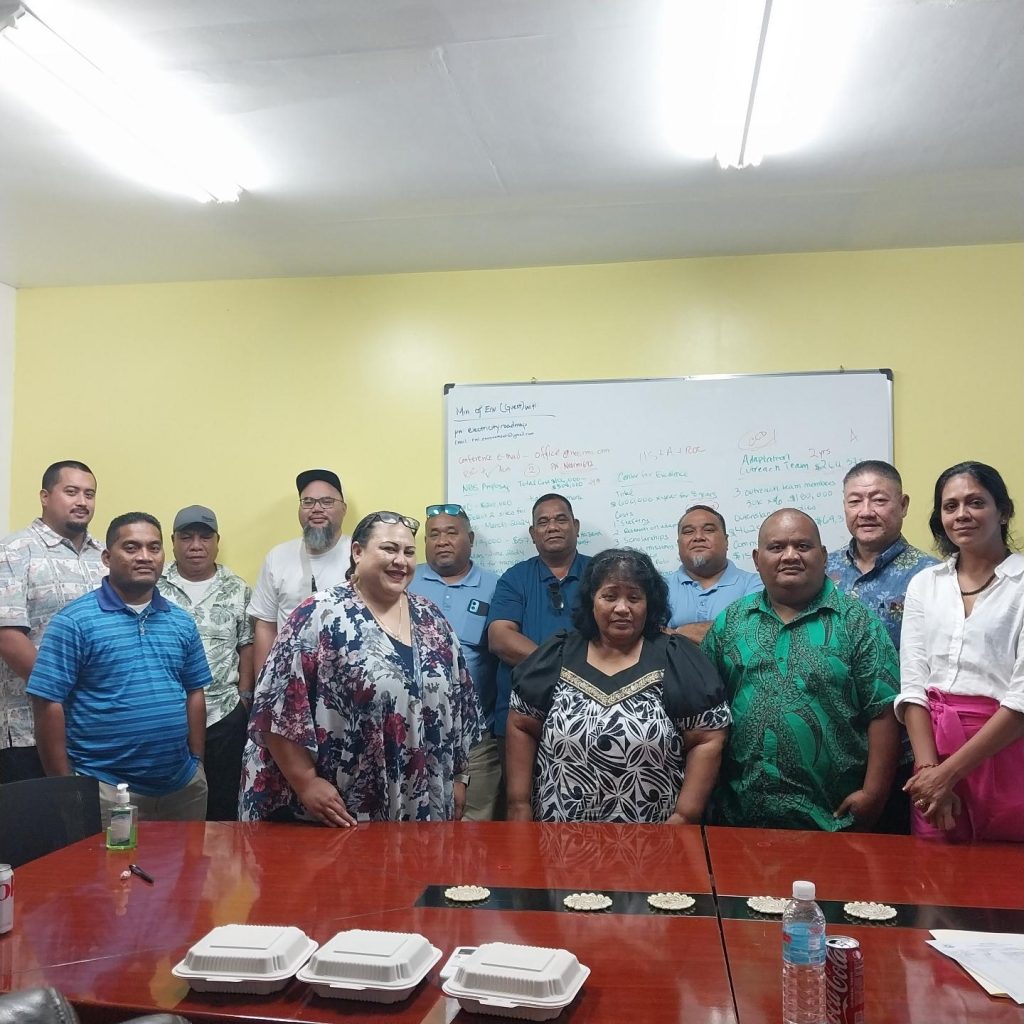
In the Republic of the Marshall Islands, a Grant Writer worked with the Climate Change Directorate to transform project priorities into fundable proposals and build the institutional foundations needed to access international climate finance. In Papua New Guinea (PNG), a Climate Action Adviser embedded within the Climate Change and Development Authority was the first CFCSP-supported position in the nation and has improved climate coordination and data collection for national strategies. In the Cook Islands, a design and engineering consultancy assessed the climate-related structural vulnerabilities of healthcare infrastructure while another while an energy and hydropower consultancy supported the design and costings of a renewable energy project. The CFCSP also supported the Cook Islands Tourism Corporation’s Destination Stewardship Plan development, connecting climate resilience and economic planning to the tourism sector.
Today because of this programme, through interaction with senior management, we are having a much more substantive conversation around the direction of tourism and, in time, with overall climate action in key agencies.
- Wayne King, Director, Climate Change Cook Islands
Inclusive, Pacific-led approaches
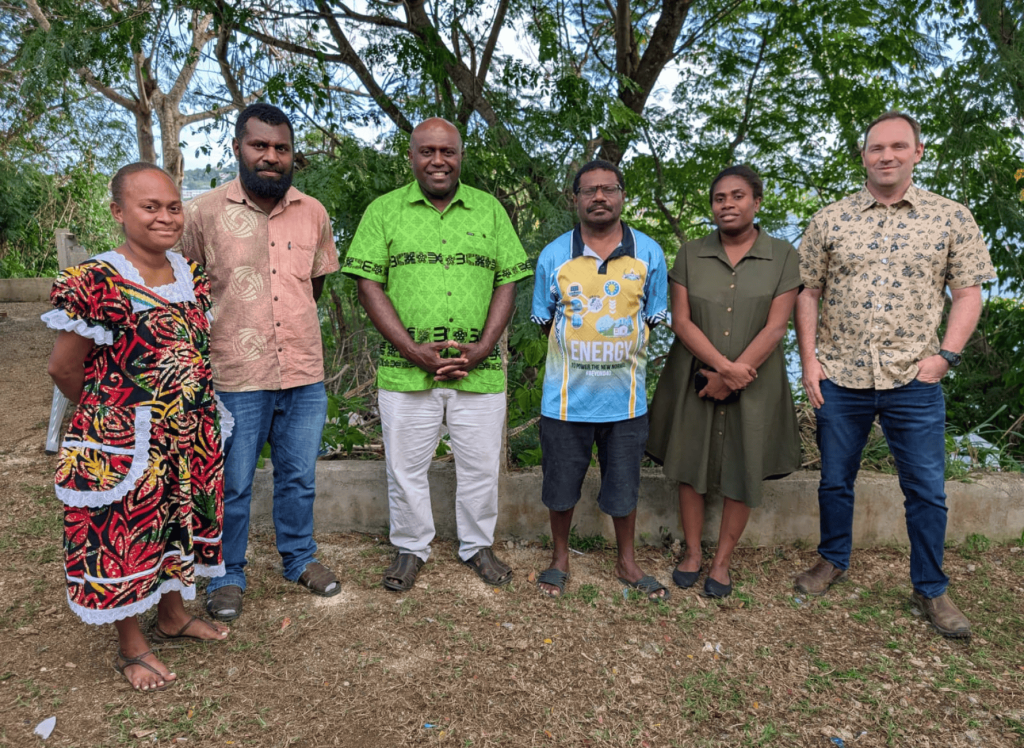
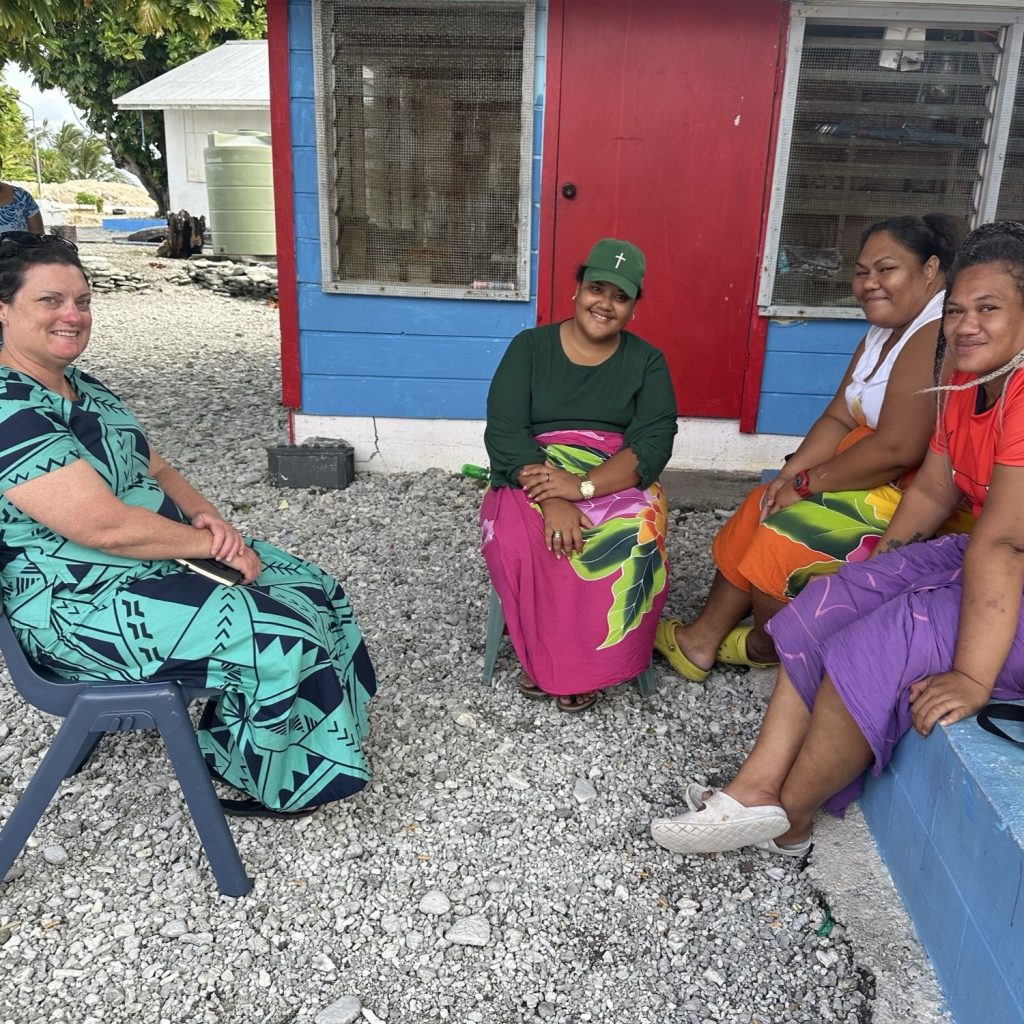
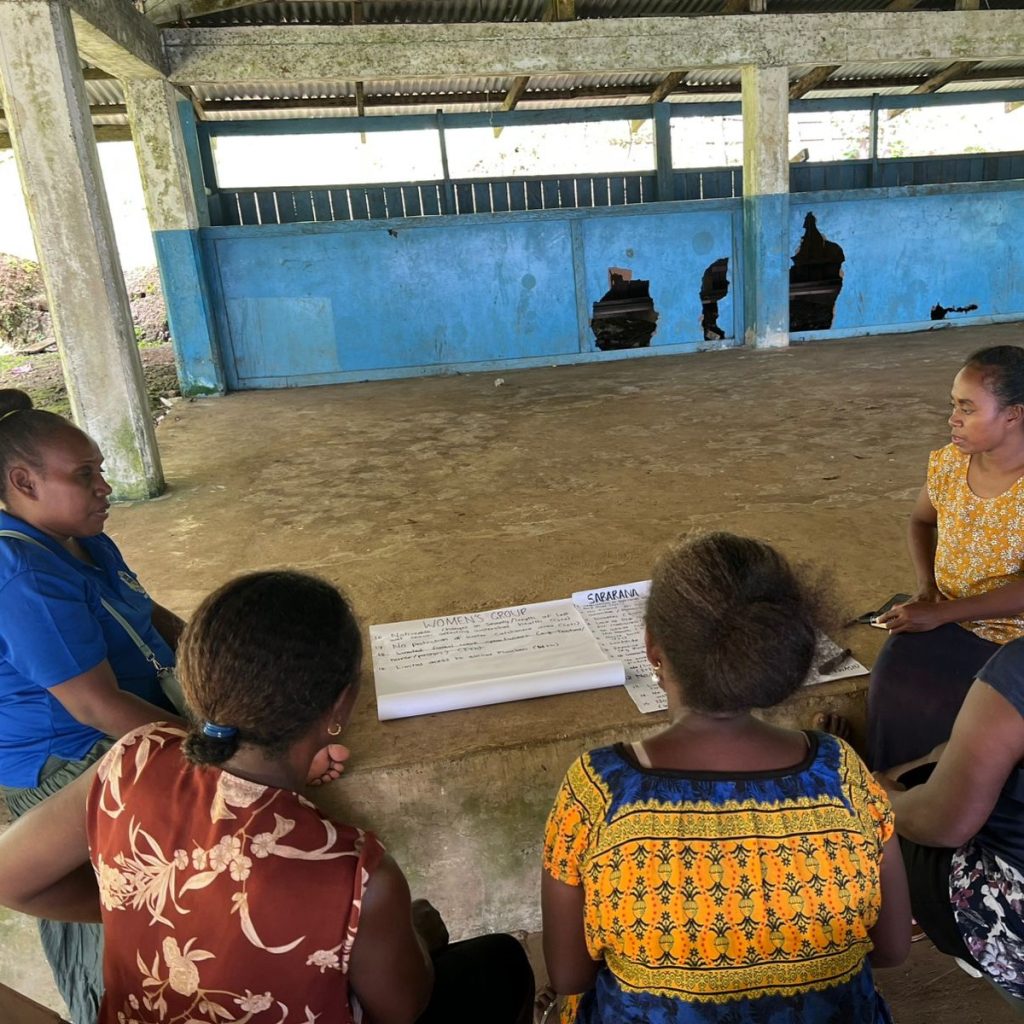
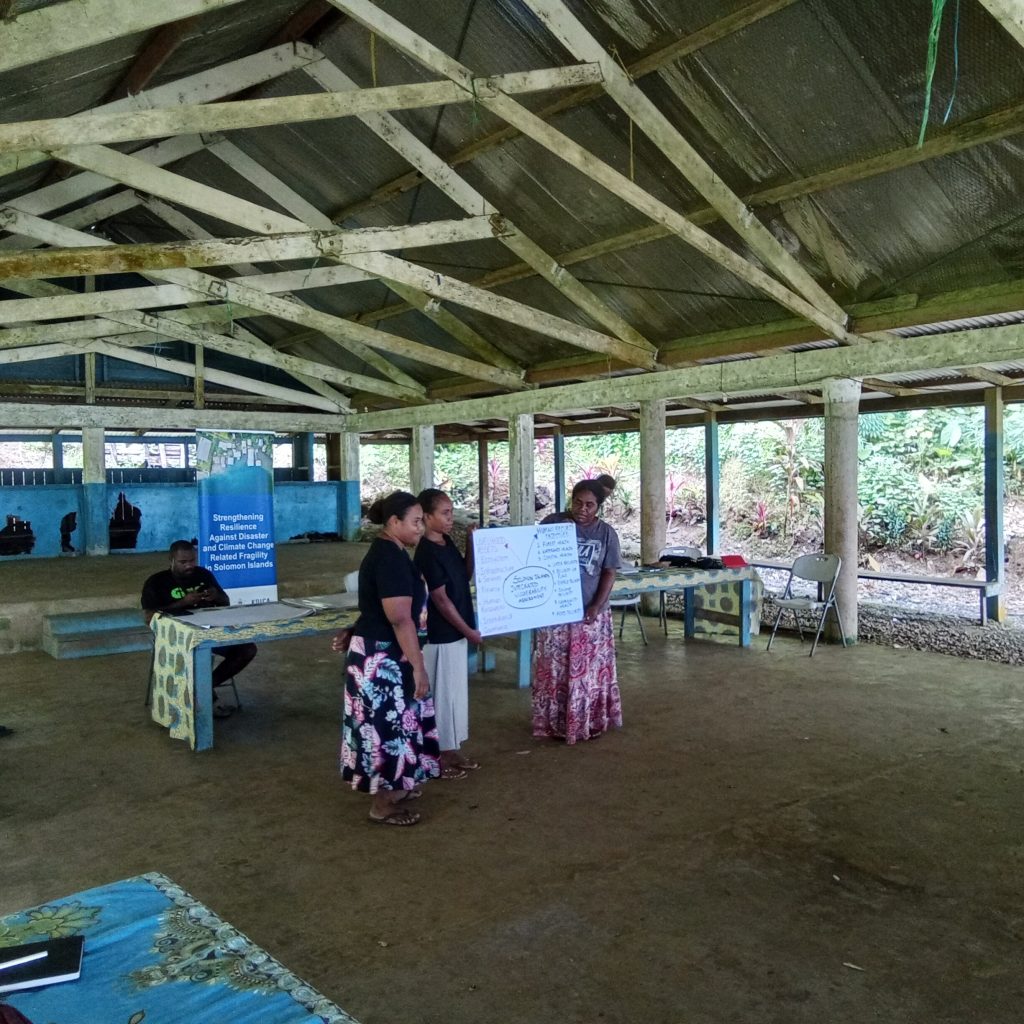
Pacific governments led the identification of priorities and the design of support throughout 2025, with GEDSI considerations embedded across planning, infrastructure design, consultation processes and monitoring. In the Solomon Islands, CFCSP personnel coordinated integrated vulnerability assessments and ran school-based climate awareness programmes. In Tokelau, community consultations underpinned a mid-term review of the national climate change strategy. In Vanuatu, 7 embedded personnel deepened government capacity across the Department of Climate Change and National Advisory Board in ways the Department described as effective “human resource strengthening.”
Looking ahead to 2026
Building on the momentum of 2025, the CFCSP will sharpen its focus on sustained delivery and scaling impact. It will support the transition from planning to implementation across priority sectors, deepen embedded support where it is driving institutional change, continue to support partner governments to strengthen national systems that underpin climate finance access, and will always strive to respond flexibly to Pacific-identified needs as they evolve.
The program is adaptive to our needs… we’ve made some tweaks and changes along the way, and that’s the beauty about it being as flexible as it is.
- Peleni Talagi, Secretary to Government, Office of the Secretary of Government, Niue



_______________________
Feature image: CFCSP-supported personnel in Vanuatu (left to right): Jasmina Takaro, Mitigation Officer; Tyson Jella, Loss and Damage/Adaptation Officer; Solomon Jimmy, Monitoring, Reporting and Verification Officer; Ian Iercet, Carbon Markets Adviser; Anne Marie Robert, Climate Finance Officer; and Matthew Hardwick, Adviser to the Director.