
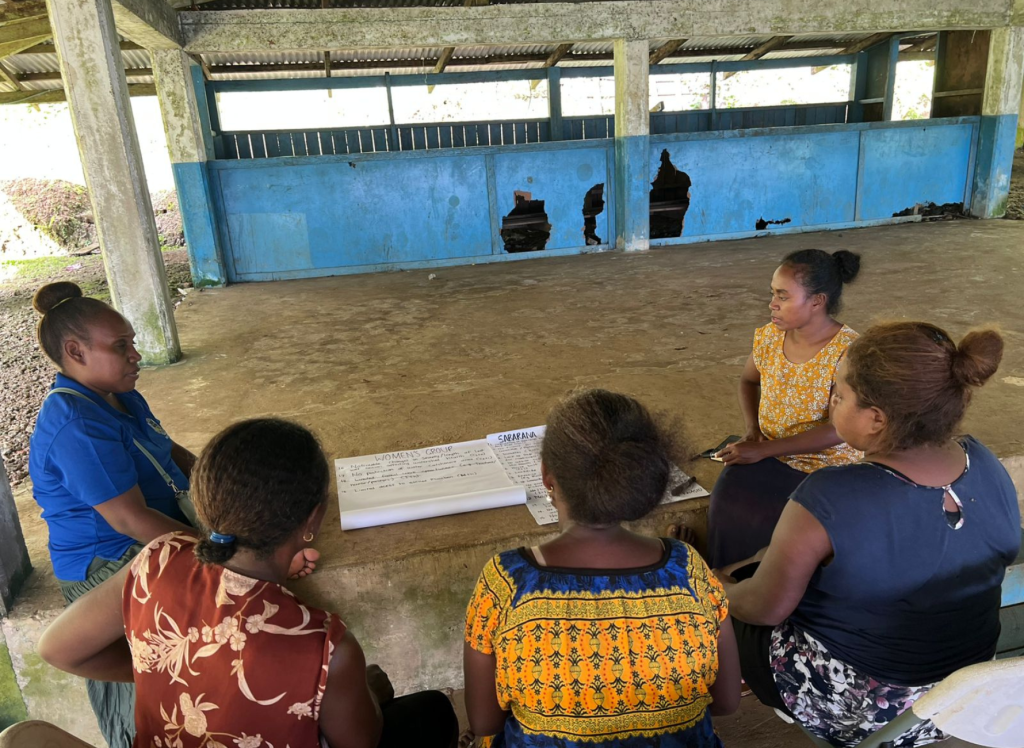
To better target climate investments, the Solomon Islands Climate Change Division (CCD) is undertaking integrated vulnerability assessments (IVAs) across the country.
Supported by New Zealand’s Climate Finance Capacity Support Programme (CFCSP) and other development partners, the IVAs are designed to improve data on community-level risks and help government agencies plan and deliver adaptation more effectively.
The CCD uses its Solomon Islands Integrated Vulnerability and Adaptation Assessment tool to ensure an integrated, multi-sectoral and standardised approach to assessing climate change vulnerability, mitigation and adaptation planning. Used to establish baseline community vulnerability data – which then informs climate action at local, subnational and national levels – the IVA tool is a cross-ministerial and cross-sectoral approach coordinated by the CCD.
In 2024, the CCD requested support from the CFCSP to recruit 2 IVA Officers to bolster the Division’s resources and capability to undertake IVAs. Mary Tehekeni and Lois Maehorana assumed the roles in 2025 and are integral to the coordination of IVAs, including community consultations, data collection, analysis, and technical and summary write-ups.
An IVA “is a two-way assessment,” Mary said. “It looks at the community’s knowledge – traditional ways of adapting to climate change – and modern ways technology can offer in addressing those challenges.”
The Solomon Islands IVA tool recognises the need for combining traditional community knowledge and adaptation practice with scientific knowledge to respond to the impacts of climate change. This approach ensures greater ownership at a community level.
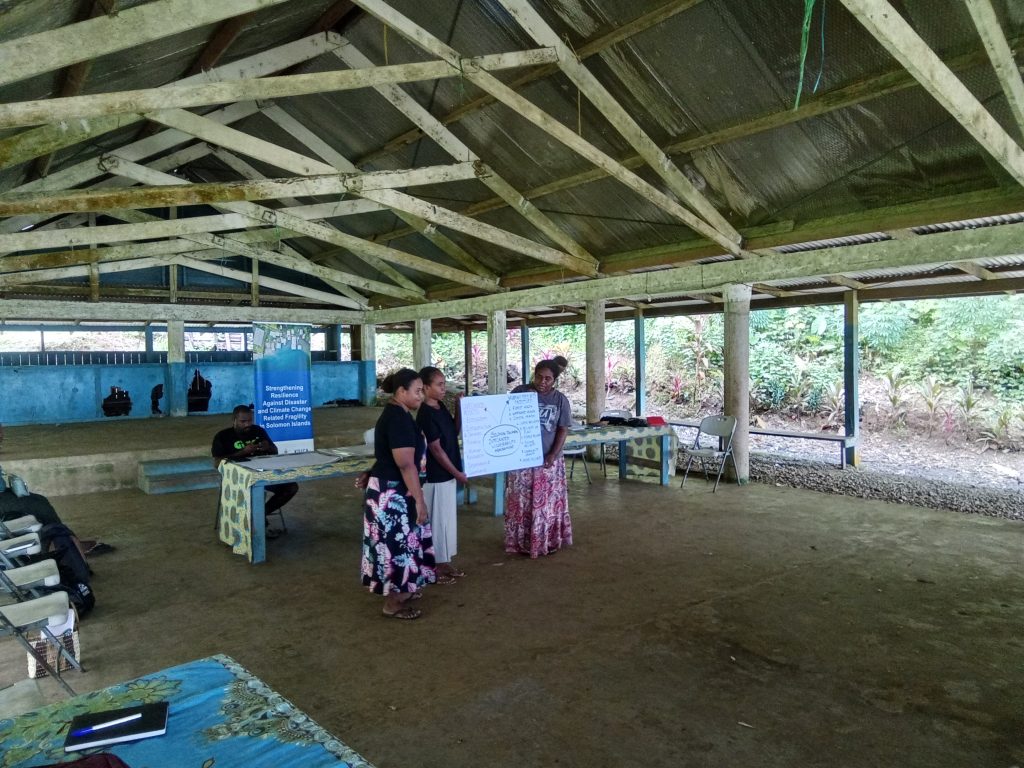
It’s the people that must be able to adapt to those changes… If we only look into scientific data, it would be very difficult for the communities because scientific knowledge may not be understood by those at the community-level. It is best that we support them to fully understand what they can do to support at their community-level.
- Mary Tehekeni, IVA Officer, CCD
The IVA tool involves a combination of geotagging, drone imagery, coastal profiling and participatory engagement methods to collect environmental and social risk data, contributing to the Solomon Islands’ overall climate knowledge base.
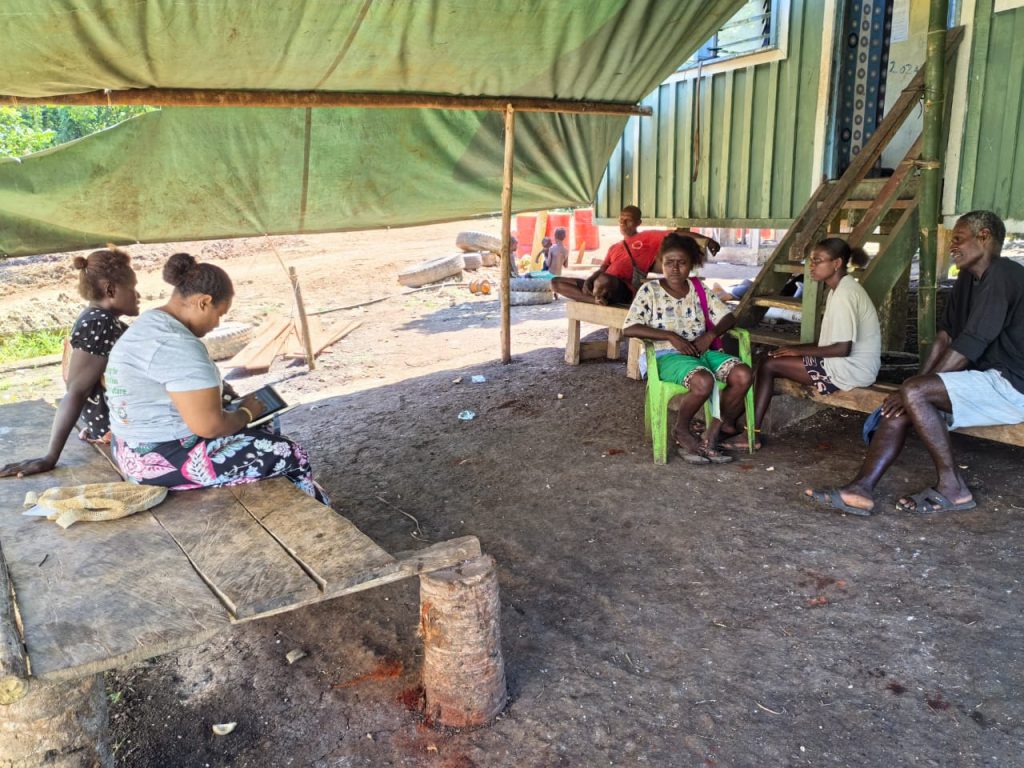
The IVAs approach to assessing vulnerabilities integrates climate and non-climate factors, and assesses a community’s resilience and adaptive capacity in terms of:
Livelihood assets: Ecosystem, infrastructure and services, finance, human resources, and institutions and governance.
Human security objectives: Forest health, watershed health, water security, coastal health, community health, security of place, energy security, income security and food security.
Lois explained that the IVA process is important for raising awareness of climate change impacts and responses among communities: “Sometimes, when we go to a community, they may not be aware that an issue they are facing is the result of climate change,” she said.
Lois and Mary both emphasised that the IVAs have identified many community-led mitigation and adaptation activities, even when a widespread awareness of climate change is not evident:
Through the IVA process, they come to understand how the community can cope or support themselves in terms of changes at the community-level and the consultations often bring to light how they are already adapting. We can then reflect that back to them and highlight the skill and knowledge they already putting to use.
- Mary Tehekeni, IVA Officer, CCD
IVA reports are shared with different ministries, development partners and other stakeholders so that they can inform climate project designs and funding proposals, whether that be small community grants or applications for international climate finance. Lois and Mary are also looking at ways they can share the IVA reports back to communities so that they can use the information for their own funding applications and planning.
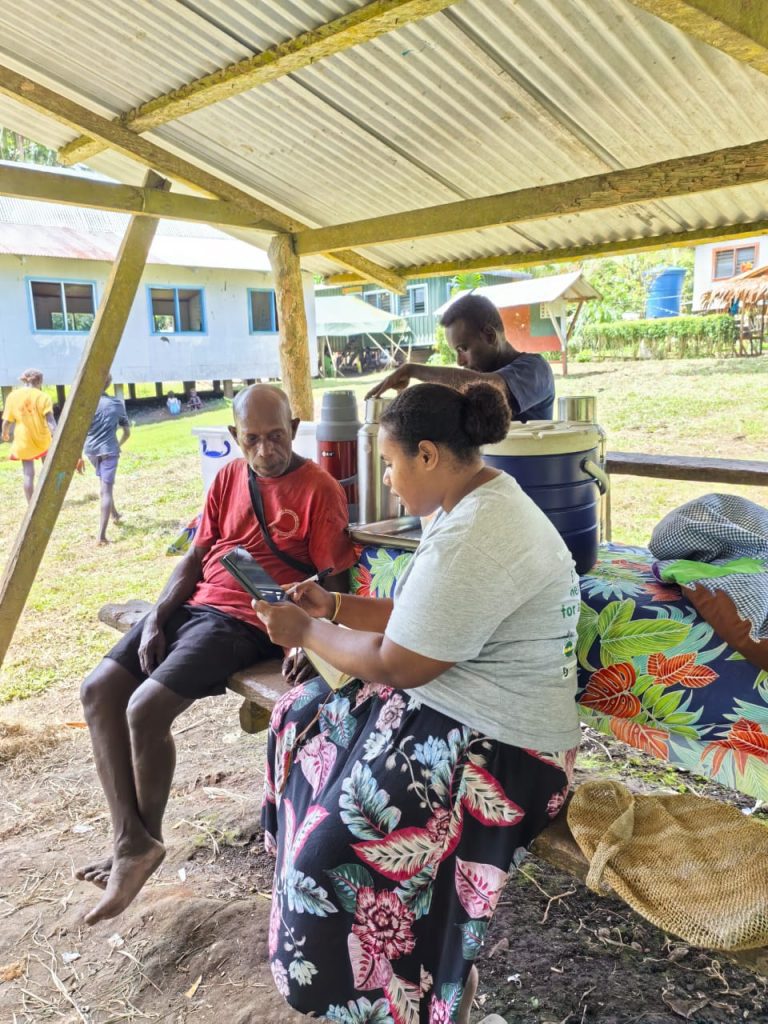
Since joining the CCD, Mary and Lois have contributed to IVAs in Western, Isabel, Makira and Choiseul provinces, with plans to conduct an IVA in Guadalcanal Province at the time of writing. Designed to ensure communities contribute to, plan for and are equipped to respond to climate impacts on their livelihoods, health and social development, the IVA tool assesses more than just vulnerability – it supports and strengthens communities as they recognise and enhance their own knowledge and skills with new knowledge and the ability to access resources, including funding for climate action.
_______________________
Feature image: Mary Tehekeni (left) consults a women’s group in Kia, Isabel.